
THE Day of Transport Culture
11th of May
This English section currently provides a brief overview of the program. Detailed information and the complete documentation are currently available in Hungarian throughout the various sections of our website.
We are committed to continuously expanding our English-language content, and additional information and features will be made available for our international visitors over time. Thank you for your understanding and patience.
The program targets the main source of road safety issues: the human factor, and more specifically, the lack of transport culture and partnership. Approximately 90% of road traffic accidents can be attributed to human error, inattention, or rule violations. The main challenges are the ever-increasing aggression, impatience, conscious violation of rules, and distraction caused by modern technology. A further critical problem is that drivers, cyclists, e-scooter users, and pedestrians often view each other as enemies rather than interdependent partners in shared spaces. This flawed mindset increases the number of conflicts and the risk of severe accidents. Instead of traditional authoritative methods relying solely on prohibitions and sanctions, the Program’s goal is to apply a comprehensive, educational approach that fosters positive examples, mutual respect, and responsible behavior rather than inducing fear. Changing these attitudes and raising public awareness are essential to achieving the Vision Zero goal set by the European Union. Thus, by directly addressing the root causes of accidents and increasing safety awareness, the program supports this highly important endeavor.
The date for the Day of Transport Culture was set to May 11 in honor of the opening day of the UN Decade of Action on May 11, 2011. It was first organized in 2015, and has been held every year since then, with the exception of the pandemic period.
Watch our videos
Our activites
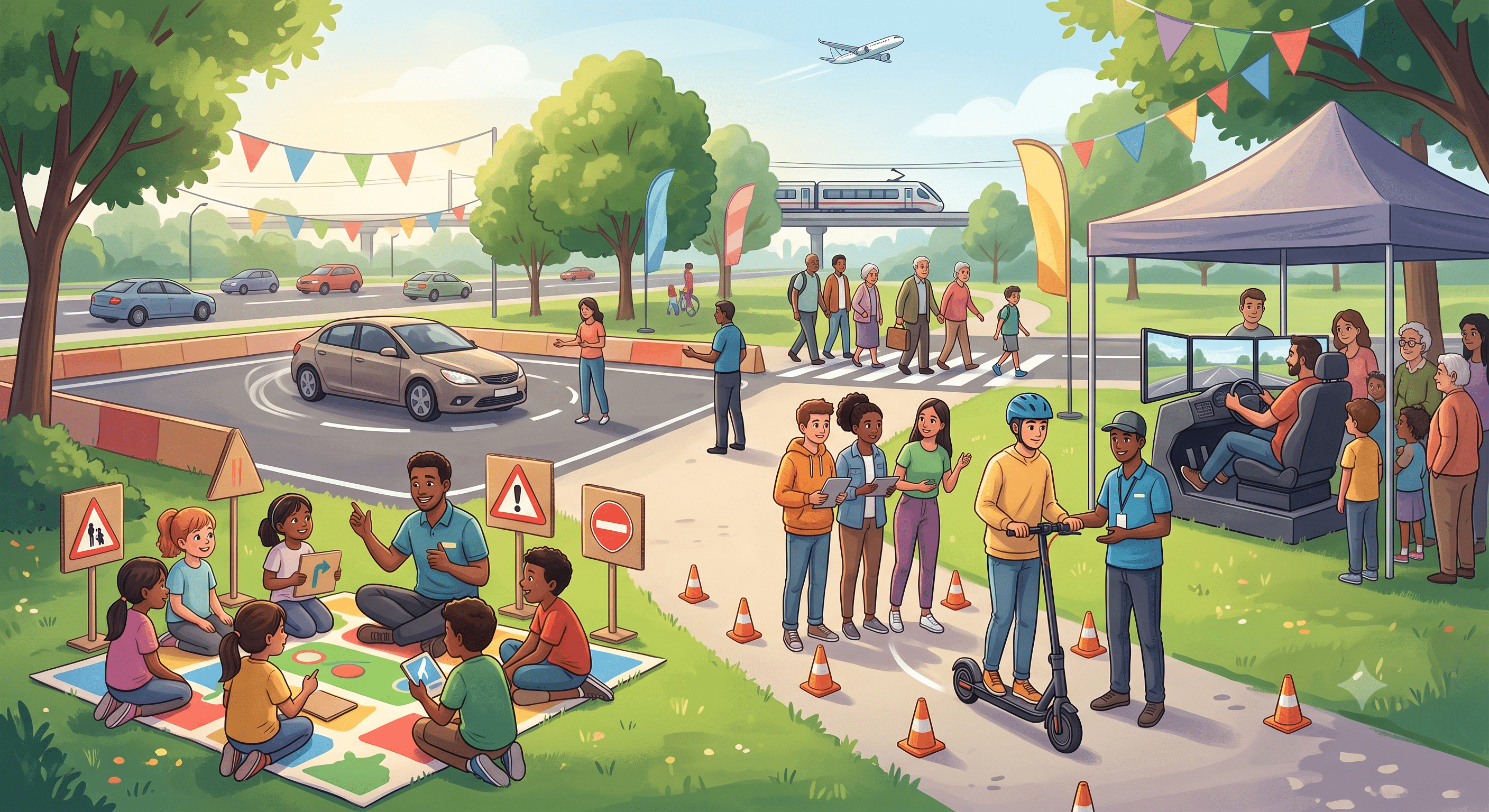
Road Safety Awareness
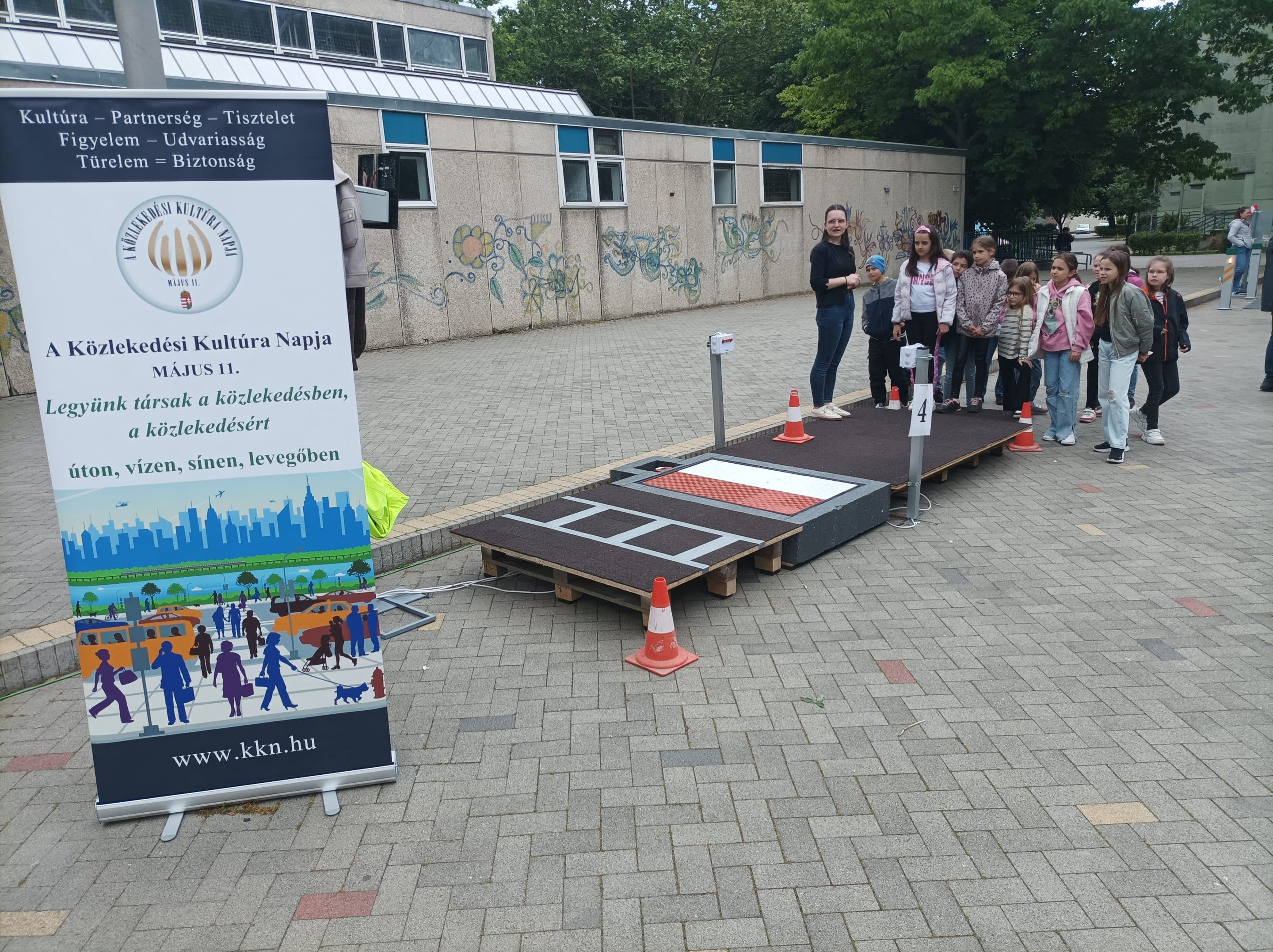
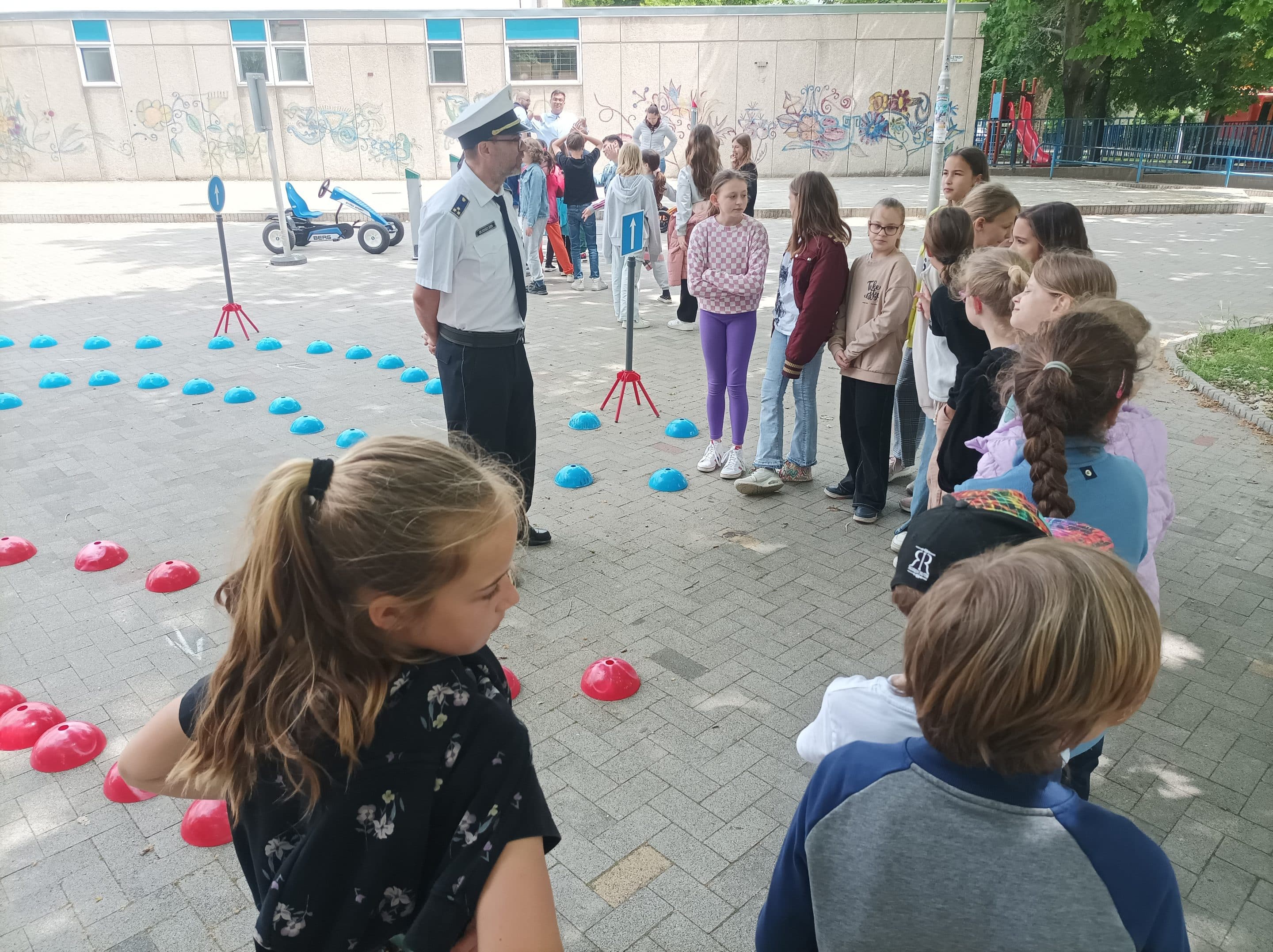
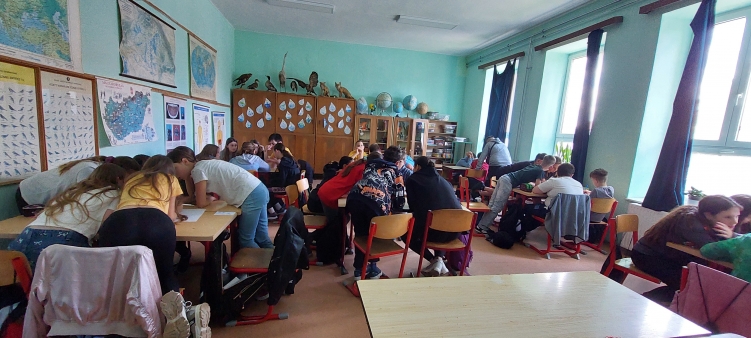
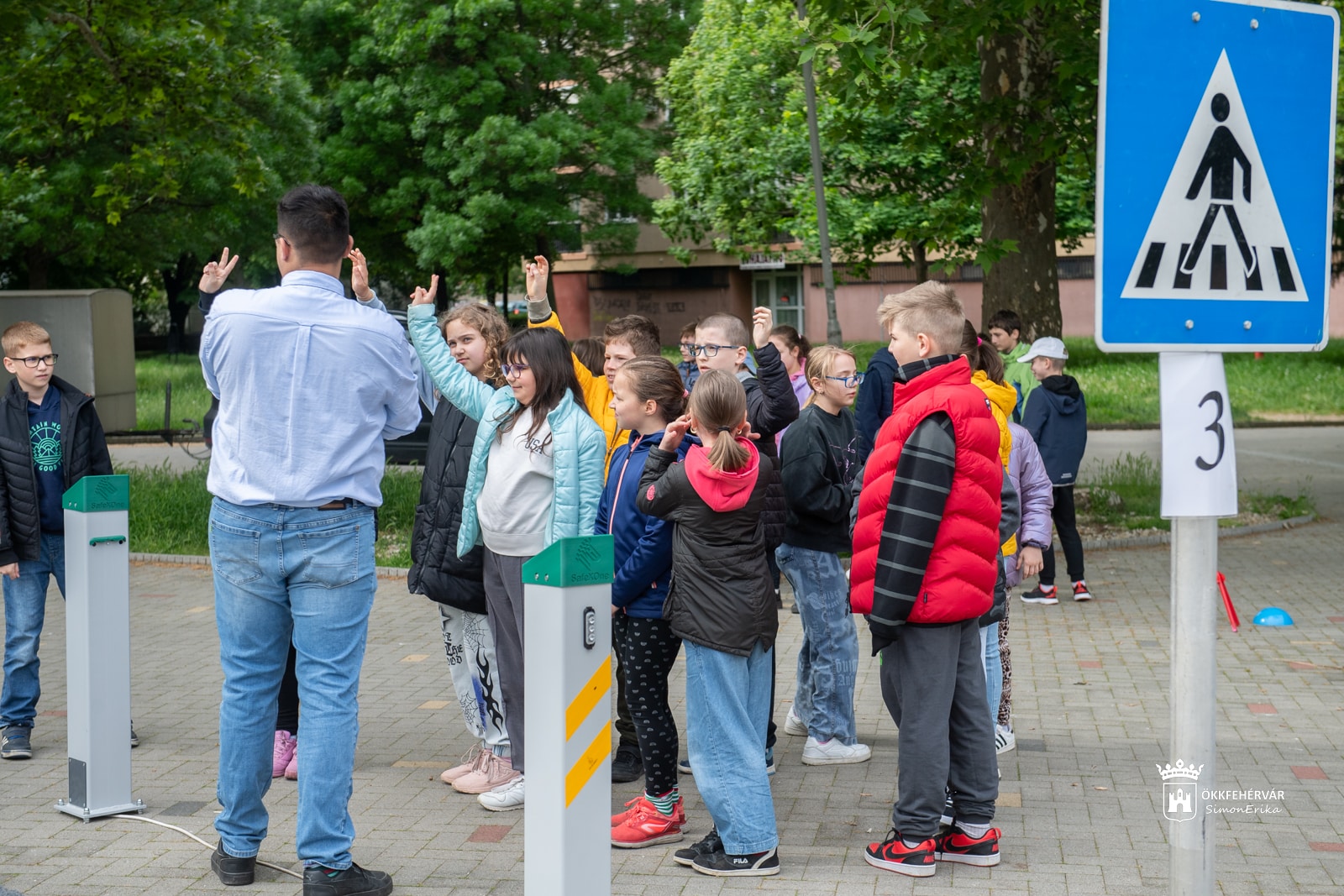
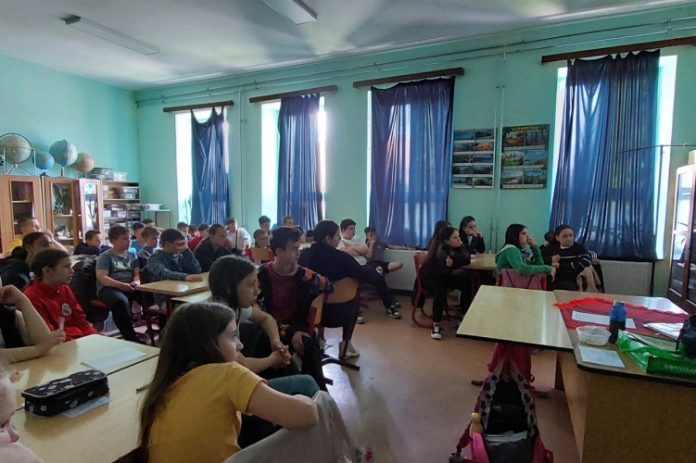
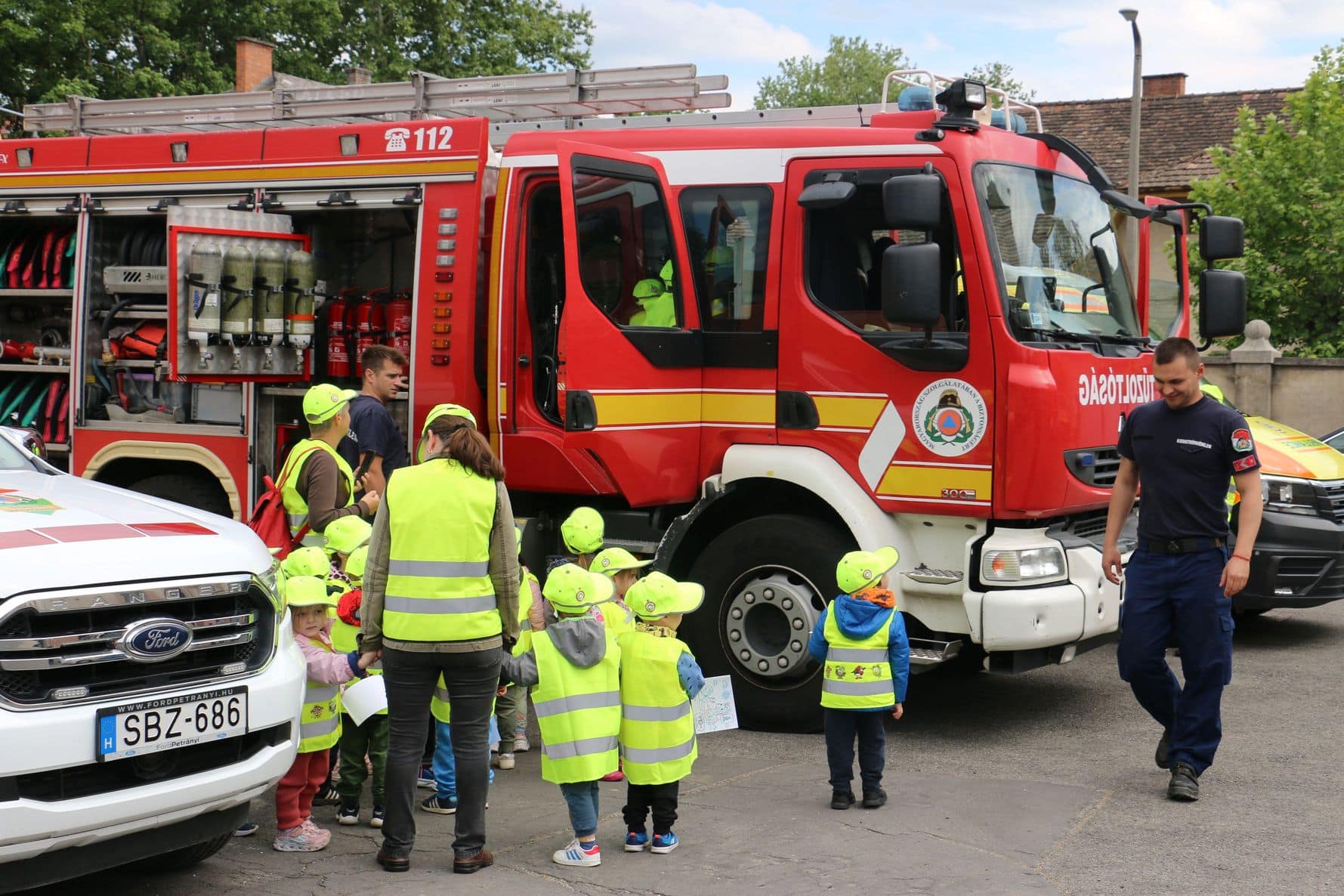
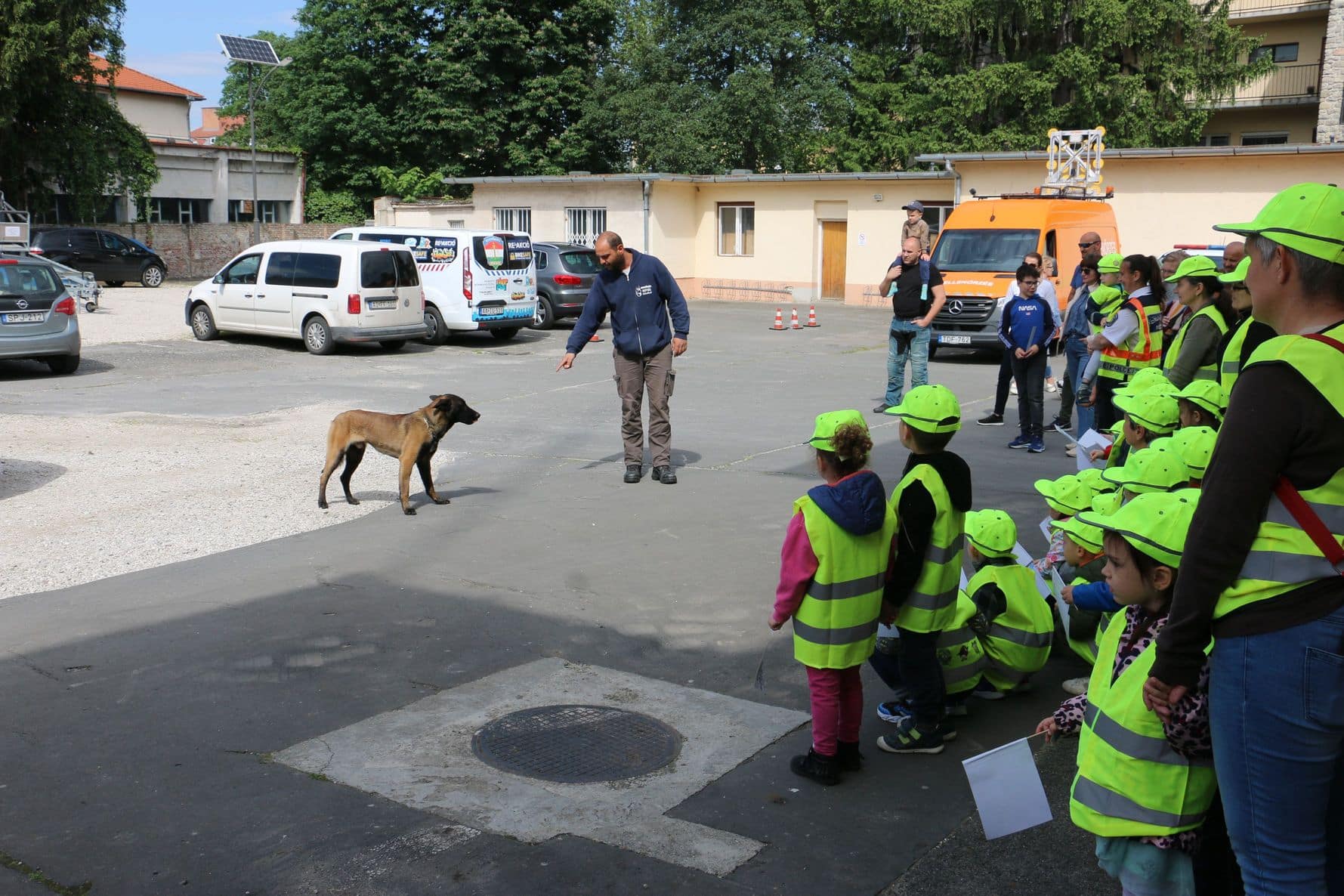
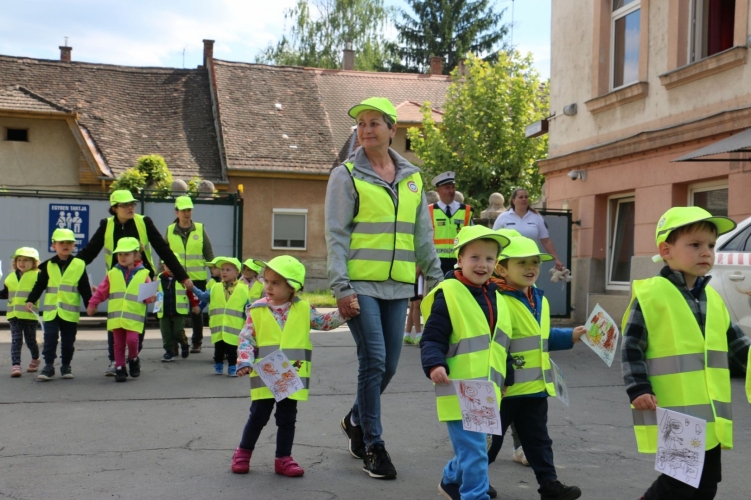
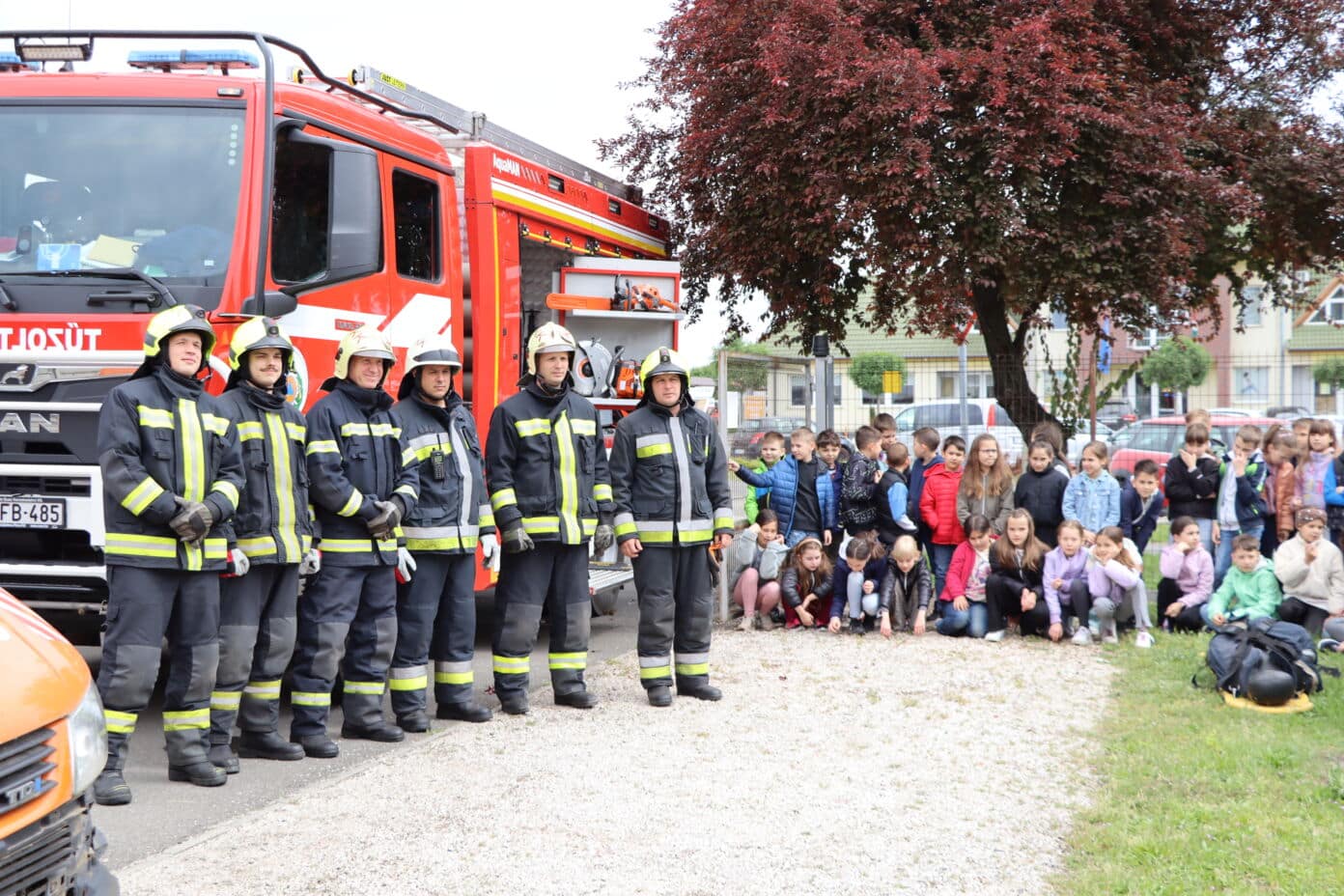
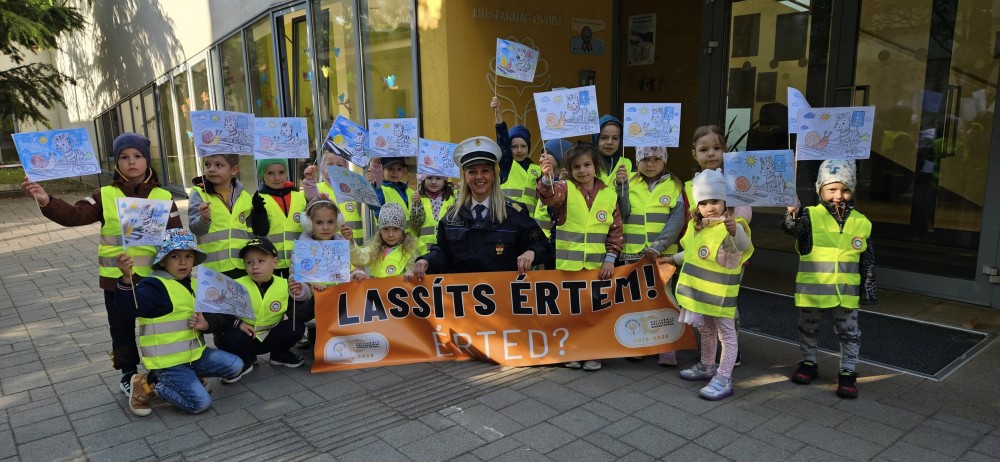
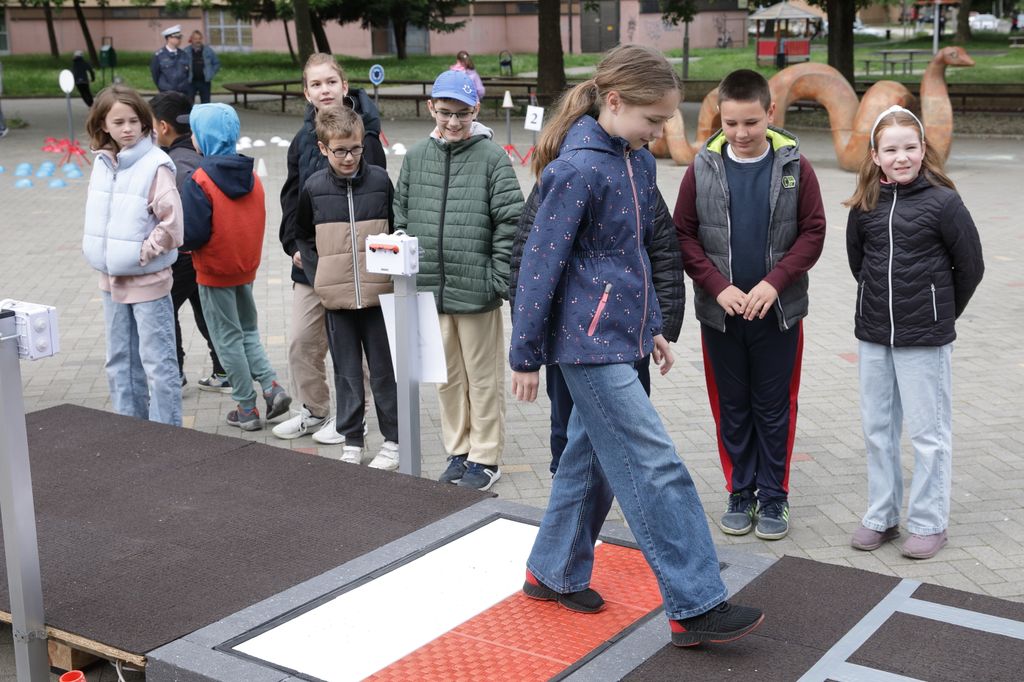
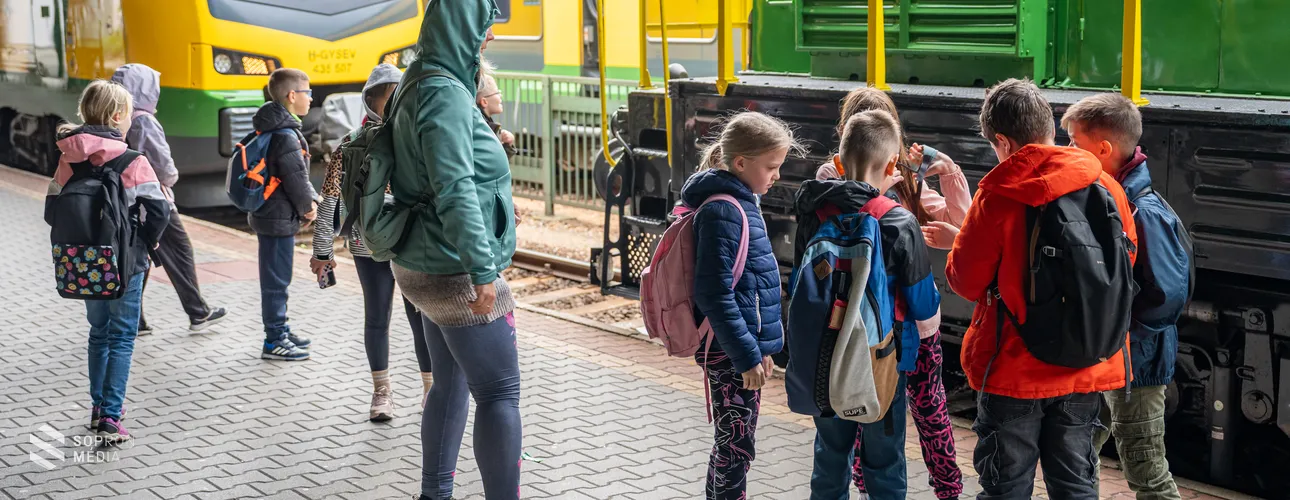
Awareness-raising events involving different age groups and road users We reached out to all age groups and transport modes (from pedestrians and drivers to micromobility, rail, and air participants) with diverse events. Activities included playful educational sessions, skill and driving trainings, simulator exercises, and targeted safety campaigns.
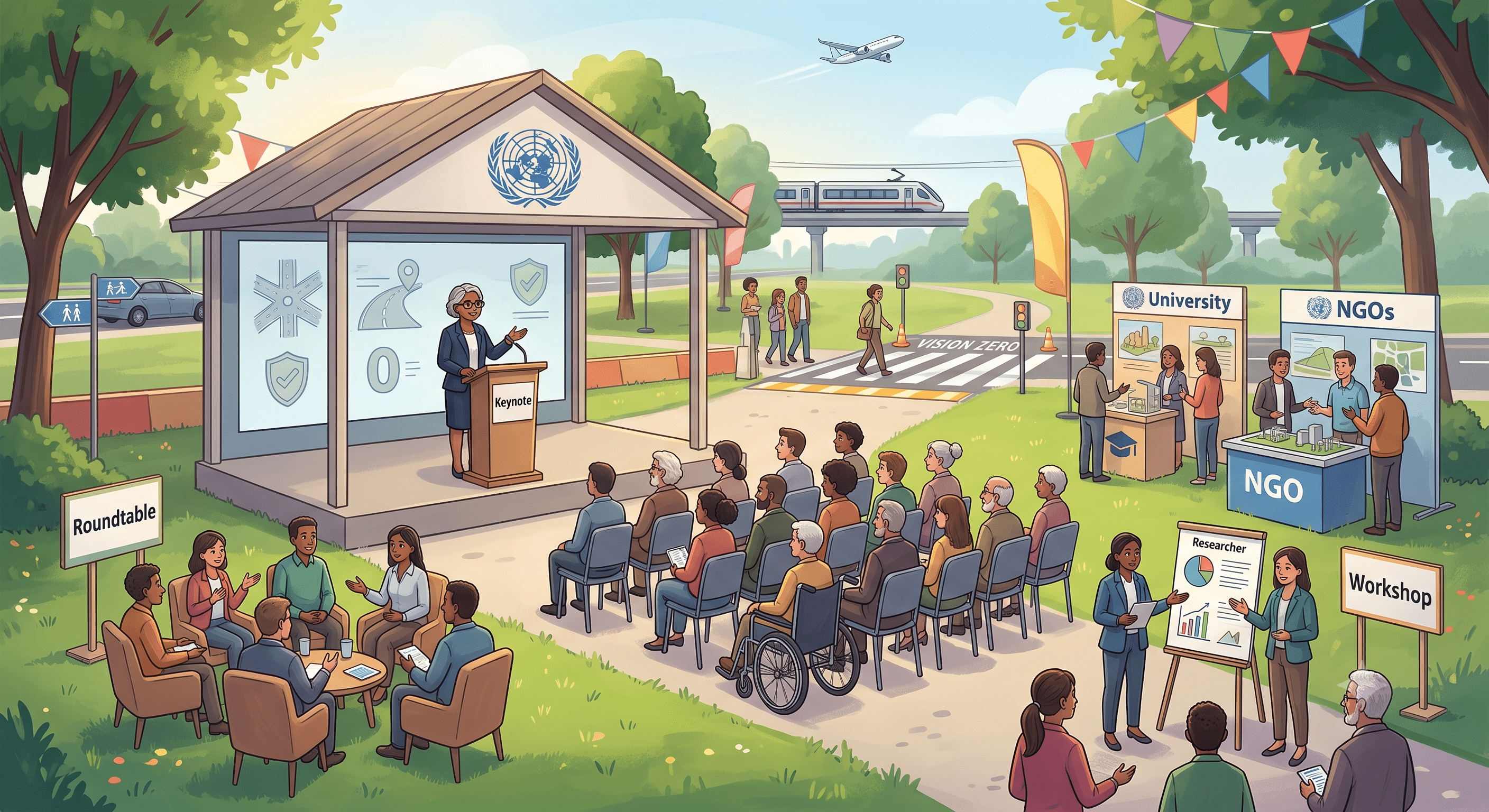
Professional Events
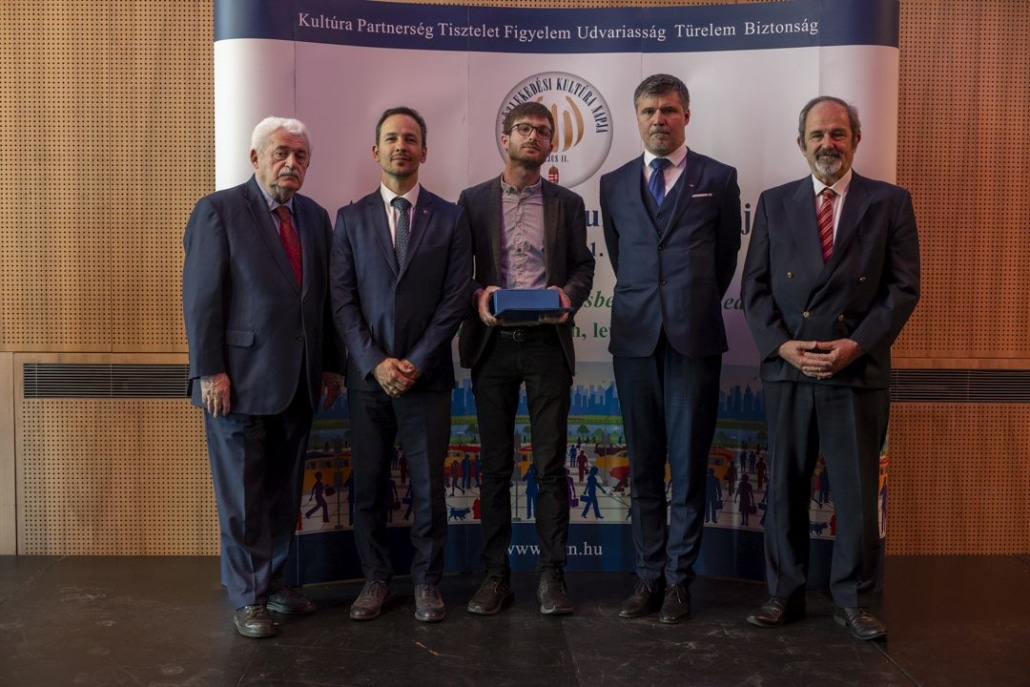
Professional conferences, forums, and roundtable discussions Numerous annual events are linked to the central theme, local transport issues, and the Vision Zero principle. The Keynote Conference, coordinated by KTE and the relevant ministry, alongside various university and NGO workshops, emphasizes safety-conscious transport, equal opportunities, and sustainable mobility.
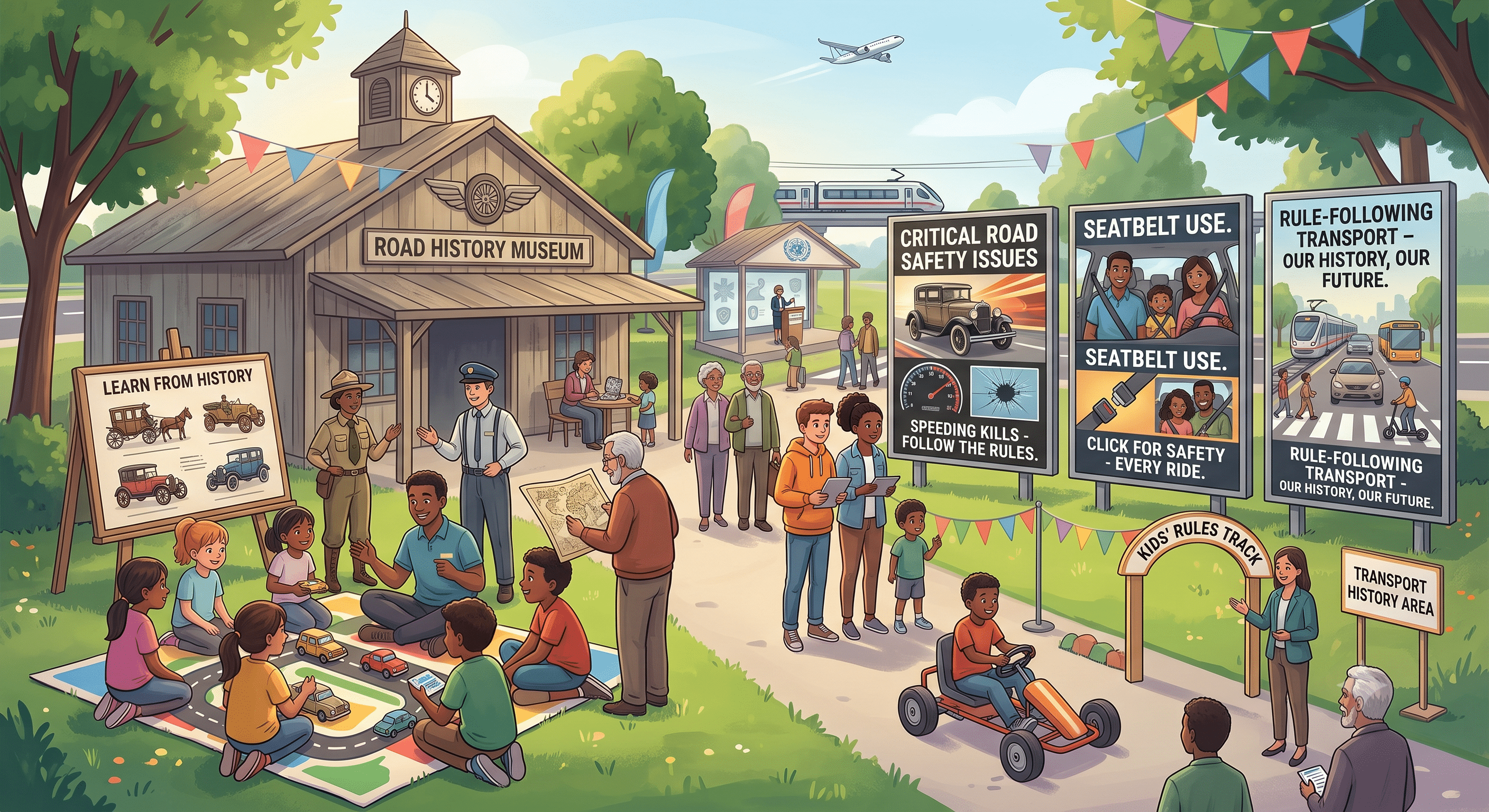
Transport history activities
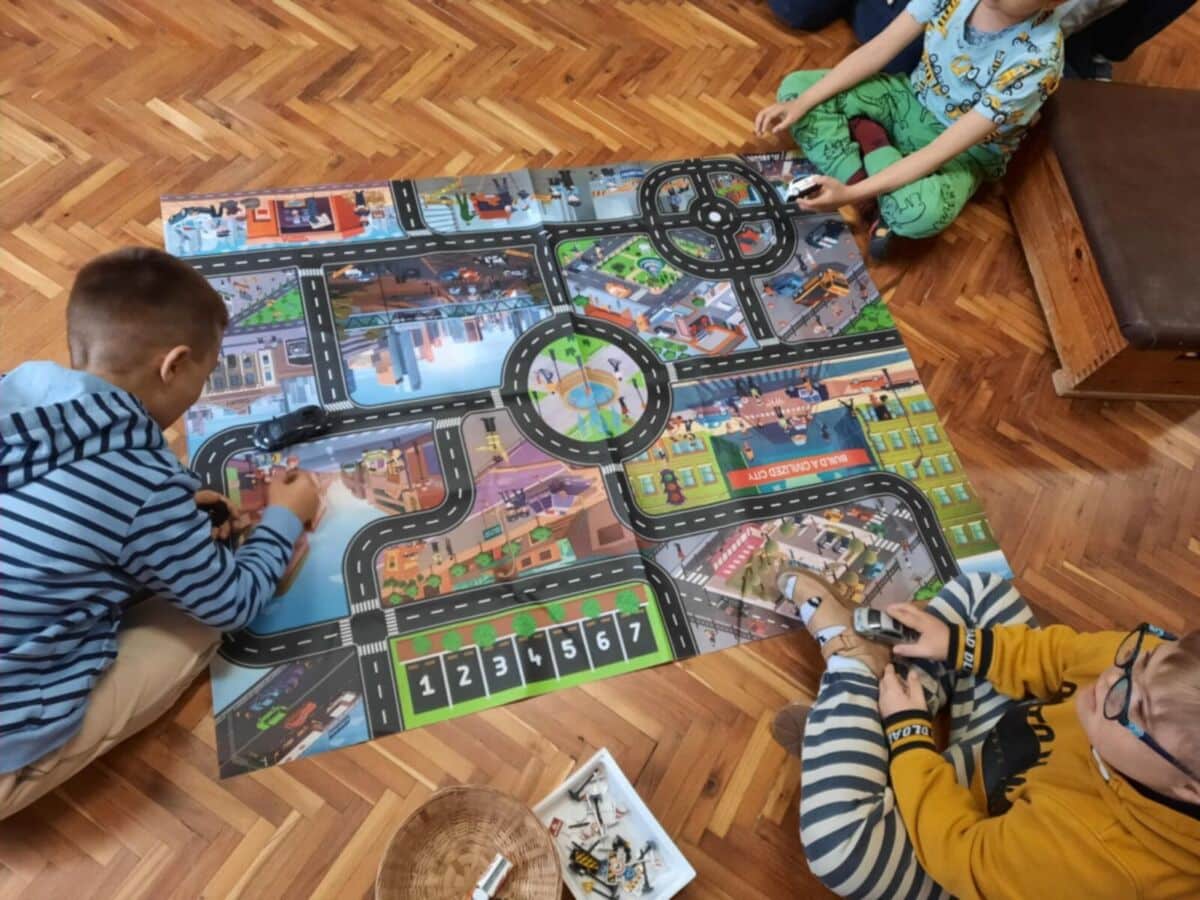
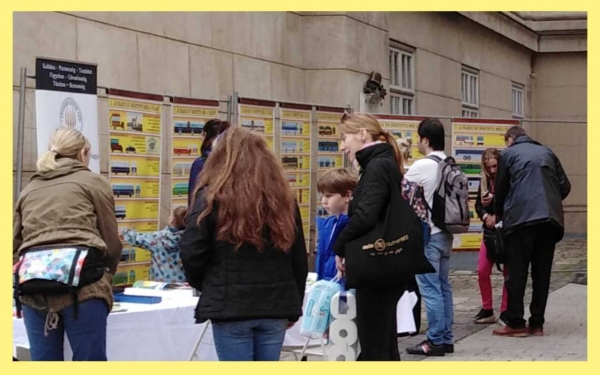
This area featured eye-catching billboard exhibitions highlighting critical road safety issues, such as speeding and seatbelt use. Furthermore, the Road History Museum held interactive museum pedagogy sessions educating children and adults on rule-following transport.
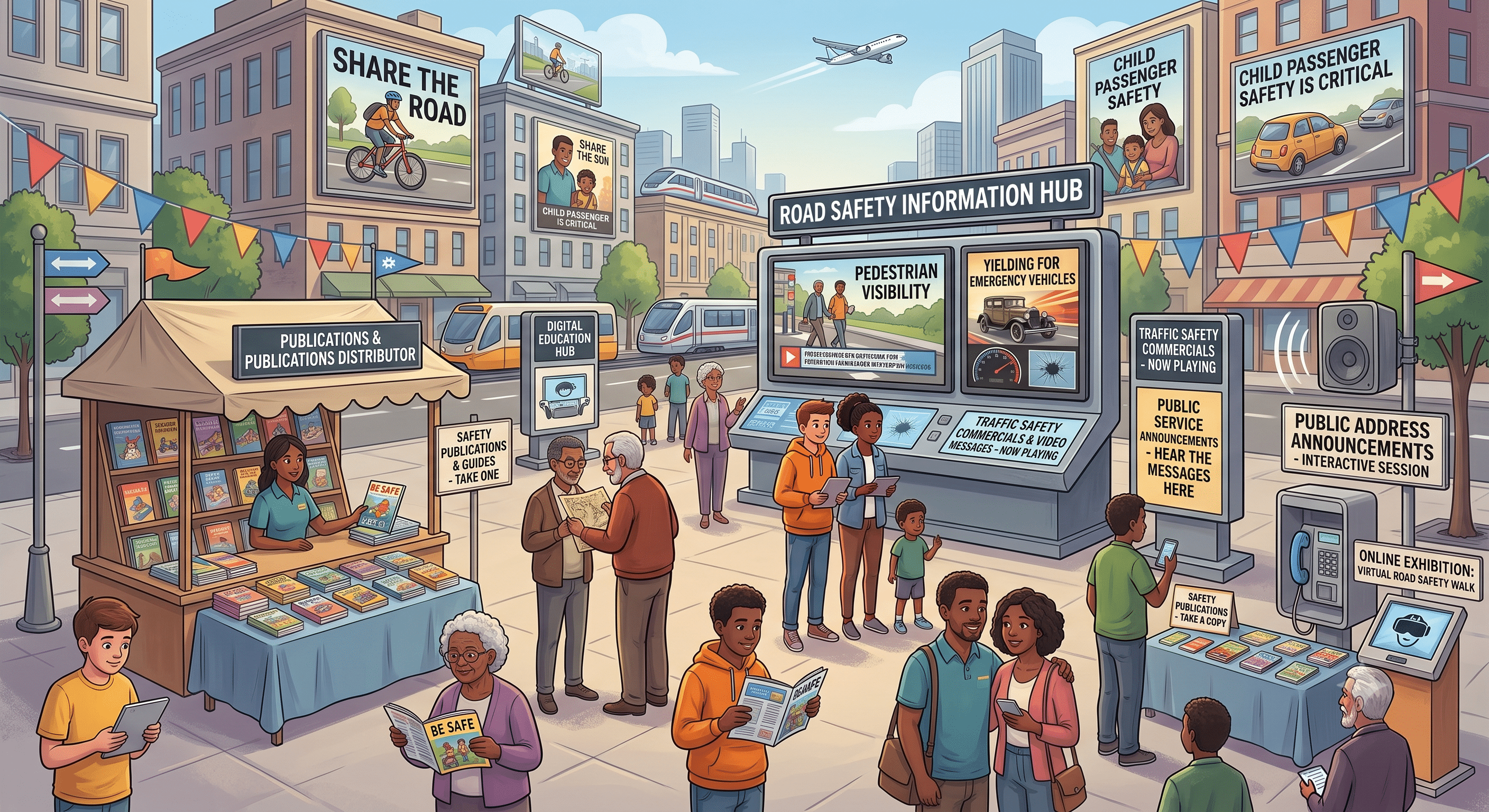
Widespread informational activities
We broadly disseminated our safety messages through public address announcements, visual displays, video messages, traffic safety commercials, publications, and extensive online campaigns and exhibitions.


Media Coverage
Challenges
Coordination challenge: Harmonizing the activities and communication of such a large number (over 100) and highly heterogeneous partner institutions within a single central day/week.
Communication challenge: Transforming traditional authoritative communication and reaching different target groups (from kindergarteners to the elderly, from e-scooter users to truck drivers) through the most appropriate, positive channels for them.
Partnerships
KTI (Institute for Transport Sciences), Budapest and Pest County Chamber of Engineers – professional support; County organizations of the National Police Headquarters, Local Governments, Red Cross, Hungarian Public Roads, Ministry of Construction and Transport, ORFK-OBB (National Accident Prevention Committee), MABISZ, HRSP, NiT Hungary, MÁV Group, Volán Association etc., GySEV, Tüke Busz, T-Busz, BKK, BKV, Transport Companies of Szeged, Miskolc, Debrecen, Hungaroring, etc. (further info in hungarian: https://akkn.hu/partnereink/)
Communication Impact
- Quantitative research: One of the most important tools for measuring impact was a national representative public opinion poll conducted 3 times by KTE. This data collection (most recently in 2024) clearly confirmed the social acceptance of the initiative, showing that 77% of the Hungarian population considers the program specifically useful and socially necessary.
- Statistical indicators: Another important dimension of the evaluation is the continuous statistical tracking of the program’s scope and the number of joining organizations. We evaluated the continuous expansion of the social base year by year as a key success indicator. Based on the statistics, the number of official partners (state bodies, police, universities, educational institutions, private companies, NGOs) stably exceeds 100.
- Measuring communication reach: Part of the feedback was also tracking the spread of campaign messages. The indirect reach of messages appearing on public address systems and in the online space is estimated to be hundreds of thousands of people nationwide on a daily basis.
The initiative covers the entire territory of Hungary. More than 100 official partner groups (state bodies, police, universities, transport companies, private companies) join the event series year after year. The indirect reach can be estimated at hundreds of thousands of people, as campaign messages and audio passenger information (BKK, MÁV, rural transport companies) reach masses of passengers daily on vehicles and at stations in both the capital and the counties. The direct impact of the program is not measured in the immediate decrease of accident numbers, but in the improvement of public attitude and safety awareness. A representative public opinion poll conducted by the KTE proves the success of the program: 77% of the Hungarian population considers it particularly useful and necessary to deal with the development of transport culture at a societal level at least one prominent day a year. The vast majority of respondents believe that improving transport morale is inseparable from preventing accidents. Based on the measurements, the program is highly effective. The main proof of its effectiveness is the continuous expansion of its social base: since its launch in 2015, the project has grown from a civil initiative into a national focal point, which today is capable of reaching society from kindergarteners to the elderly. Over the past decade, The Day of Transport Culture has become a shared holiday for travelers and those working in transport.
The Day of Transport Culture (AKKN) is a kind of value-creating force because:
-
- it makes transport culture a public matter, elevating it into social public discourse;
- it encompasses transport sub-sectors and places the traveler in the center, while also ensuring a worthy place for transport infrastructure, vehicles, and those working professionally in transport;
- it strengthens cooperation between state bodies, local governments, transport companies, corporations, NGOs, and travelers in a lovable and relatable way;
- it provides a framework, inspires, and opens up space for transport professionals, transport companies, state bodies, and NGOs for self-realization, social responsibility, and the unfolding of selfless willingness to act;
- through the announced competitions, it provides an opportunity for travelers and interested parties to get creatively involved and express themselves;
- through its multiplier effect, it multiplies the invested energy and is capable of delivering socially useful messages related to road safety and transport culture to millions of travelers in a polyphonic manner
Key Strengths of the Initiative
An important positive aspect of the initiative is that it considers that transport morale, empathy, and paying attention to each other play a prominent role in road safety, and its aim is to strengthen the sense of social responsibility.
It does not only focus on car drivers but treats pedestrians, cyclists, e-scooter users, as well as participants in public transport, and even in railway, water, and air transport, as equal partners.
It addresses people using novel methods: it makes safe behavior attractive with awards (e.g., transport person of the year, cycle path of the year), competitions (song, photo, literature), and experience-based programs (biker breakfast, thematic walks).
It sets a good example of how to coordinate more than 100 different organizations (ministries, police, transport companies, universities, civilians) under a single umbrella organization for a common communication goal.
It demonstrates that different segments of society need to be addressed with different tools: young people with digital content and competitions, daily commuters with direct passenger information messages, and the profession with scientific conferences.
It condenses road safety messages at this time of the year, thus drawing people’s attention in a concentrated manner during one week of the year.
The initiative is easily adaptable in other countries as well,
- since it can be launched even on a minimal budget, in partnership with local schools, police departments, and NGOs,
- it can be broken down into elements, and its parts can be implemented on a smaller scale, e.g., a well-functioning sub-program – competition, biker breakfast, etc.
We shared information on a national level, exceptionally widely and in a coordinated manner. The central information point was the official AKKN website, from where the detailed 2026 program guide covering all transport sectors could be downloaded. In addition, the websites of key professional partners broadcasted the news.
We also shared information on social media – Follow us!
Furthermore, the messages reached daily commuters. On public transport vehicles and at stations, public address announcements, as well as visual captions on digital displays, drew attention to tolerant behavior. The reach of the campaign was society-wide, as the communication simultaneously targeted the representatives of various transport modes.
The future
Based on the successes of the Day of Transport Culture (AKKN) so far, our firm goal is to continue the program and simultaneously expand it at the regional level. Although the initiative currently covers the entire territory of Hungary, our future ambition is for the program to cross national borders.
Our specific plan is to make the AKKN a tradition in neighboring EU Member States as well, involving international professional partners.
Continue proven domestic practices: We will maintain the experience-based, educational, and scientific programs implemented jointly with our more than 100 partners, continuing to focus on social responsibility and the education of representatives from all transport sectors (road, rail, water, air).
Start building regional partnerships: Since 2018, international activities have also appeared on the AKKN in North Macedonia and Poland, but we would like to expand this. We will contact the road safety organizations, ministries, and law enforcement agencies of neighboring countries to share the program’s methodology with them.
Develop joint international programs: Our goal is to organize cross-border, EU-level campaigns, joint conferences, and parallel awareness-raising campaigns in the future, thereby strengthening the European transport culture and the implementation of the Vision Zero principle. Our long-term vision is to create a European-level collaboration where safety-conscious and partnership-based transport morale becomes a social norm in the entire region.